
Tongue Tie Adults
Tongue Tie in Adults
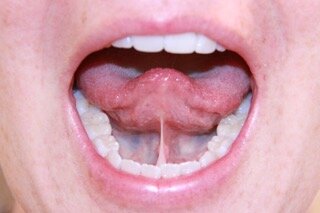
The lingual frenulum is the band of tissue that connects the underside of the tongue to the floor of the mouth. Everyone has a lingual frenulum, but its length, thickness, attachment and elasticity can vary from person to person.
In some individuals, the lingual frenulum may restrict the functional movement of the tongue. A restricted tongue may have difficulty elevating toward the palate, moving efficiently within the mouth or maintaining an appropriate resting posture.
A restricted lingual frenulum does not necessarily cause symptoms in everyone. The important consideration is whether the tissue is limiting tongue function and contributing to an individual's concerns.
Lip restrictions may also be present and can be considered as part of a comprehensive orofacial assessment.

What Symptoms May Be Associated With a Restricted Tongue?
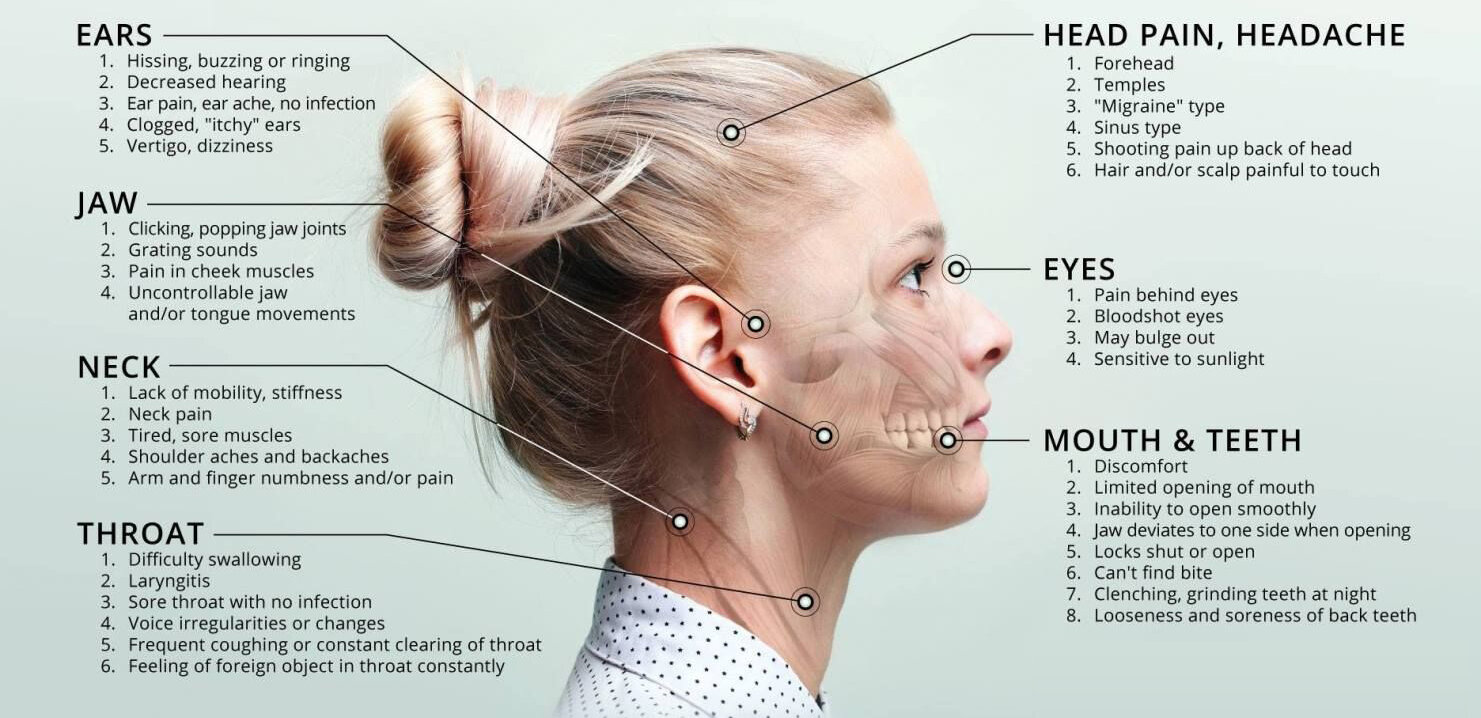
Some adults with restricted tongue mobility may develop compensatory patterns involving the tongue, lips, jaw and surrounding muscles. Depending on the individual, these functional patterns may be associated with:
Low or altered tongue resting posture
Difficulty maintaining the tongue against the palate
Mouth breathing or an open-mouth resting posture
Difficulty with certain chewing or swallowing patterns
Jaw muscle tension
Clenching or grinding
Headaches or facial muscle tension
Neck and shoulder tension
Snoring or other sleep-related breathing concerns
These symptoms can have many possible causes and are not specific to tongue-tie. A functional assessment can help determine whether restricted tongue mobility may be a contributing factor.
Tongue Posture & Breathing
Tongue posture and nasal breathing are closely related components of orofacial function. When tongue mobility or resting posture is altered, some individuals may develop compensatory patterns that affect the position and function of the tongue, lips and jaw.
Mouth breathing can also have multiple contributing factors, including nasal congestion, allergies, enlarged tonsils or adenoids, nasal obstruction and other airway considerations. For this reason, identifying the underlying factors is an important part of understanding an individual's breathing pattern.
Compensation & Orofacial Function
When tongue posture or oral function is altered, the muscles of the tongue, jaw, face and neck may develop compensatory patterns. Some individuals may experience increased muscle tension, jaw discomfort, headaches, clenching or grinding, or changes in head and neck posture.
These findings are not necessarily caused by a tongue restriction, but they may be relevant when assessing the overall pattern of orofacial function.

How Do You Know if a Tongue-Tie Is Functionally Significant?
The appearance of a lingual frenulum alone does not determine whether a tongue-tie is functionally significant. An assessment should consider tongue mobility, resting posture and how the tongue functions during activities such as swallowing, chewing and speaking.
A comprehensive assessment can also consider breathing patterns, jaw function and other compensations that may be present.
The goal is to understand how the tongue is functioning, rather than simply determining whether a frenulum looks short or tight.
How Can We Help?
When a restricted lingual frenulum is identified, the first step is to understand how the restriction is affecting tongue function. During an OMT evaluation, we assess tongue mobility, resting posture and functional patterns such as chewing and swallowing. We also consider related breathing, jaw and orofacial patterns when appropriate.
A tongue restriction does not automatically mean that a frenectomy or frenuloplasty is necessary. Some individuals with a restrictive frenulum may have developed effective compensations and experience little or no functional difficulty. In other cases, restricted tongue mobility may contribute to functional concerns.
The goal is not simply to assess the appearance of the frenum—it is to understand how the tongue is functioning.
If findings suggest that a tongue release may be worth considering, we can collaborate with an appropriately qualified healthcare professional who performs the procedure. A release is an individual clinical decision and should be based on the person's functional findings, symptoms and overall circumstances.
Can Myofunctional Therapy Be Used Before or After a Tongue-Tie Release?
When appropriate, myofunctional therapy may be incorporated before and/or after a tongue-tie release to support functional tongue movement and coordination.
Pre-release therapy may focus on developing awareness of tongue posture, mobility and movement patterns. Following a release, therapy may help the individual learn to use their newly available range of motion and develop more efficient functional patterns.
Post-procedure care and exercises should follow the recommendations of the healthcare professional who performed the procedure. The need for myofunctional therapy, as well as the timing and type of exercises, will vary from person to person.
The goal is to support functional tongue movement—not simply to release the tissue.
What Is a Frenectomy / Frenuloplasty?
A frenectomy or frenuloplasty is a procedure used to release or modify a restrictive lingual frenulum beneath the tongue. The goal of the procedure is to increase the available range of tongue movement when a restriction is considered functionally significant.
The procedure may be performed using different techniques, including scissors, a scalpel or laser. The type of procedure, anesthesia, use of sutures and post-operative care will depend on the individual patient and the healthcare professional performing the procedure.
Healing and recovery vary from person to person. Your surgical provider will provide specific instructions regarding pain management, wound care, stretching or movement exercises and follow-up care.
Pre- and Post-Release Care
When appropriate, Orofacial Myofunctional Therapy may be incorporated before and after a tongue-tie release.
Before a release, therapy may help an individual develop awareness of tongue posture, mobility, coordination and functional movement patterns. This can provide an opportunity to establish appropriate movement patterns before the procedure.
After a release, therapy may help the individual learn to use their newly available range of motion and develop more efficient tongue movements and functional patterns. Post-operative exercises and wound care should always follow the specific instructions provided by the healthcare professional who performed the procedure.
The timing and amount of therapy required will vary depending on the individual's age, functional needs, surgical approach and recovery.
A tongue-tie release changes the available tissue—it does not automatically teach the tongue a new way to move. Functional therapy may be helpful in supporting the transition to more efficient tongue movement and oral function.
What If Symptoms Continue After a Tongue-Tie Release?
Some individuals continue to experience functional concerns after a tongue-tie release. Persistent symptoms do not necessarily mean that the procedure was unsuccessful. There may be a number of factors contributing to ongoing concerns, including tongue mobility, oral motor coordination, resting posture, established compensatory patterns, healing and other orofacial or airway factors.
A functional reassessment can help determine how the tongue is moving and functioning following the release. When appropriate, Orofacial Myofunctional Therapy may be used to help develop tongue awareness, mobility, coordination and functional movement patterns.
In some individuals, the available space within the mouth and the relationship between the tongue, palate and jaws may also be relevant to tongue function. If limited oral space is identified as a contributing factor, collaboration with an orthodontist or other appropriate dental professional may be recommended to explore whether additional treatment is appropriate.
A tongue-tie release changes the available range of tissue; functional therapy may help support the development of efficient tongue movement within that new range.

