
Mini-Myo / Habit Breaker
Myo for Kids
Parents often notice changes in their child's breathing, sleep, eating or oral posture from a young age but aren't sure whether they are simply developmental or worth investigating.
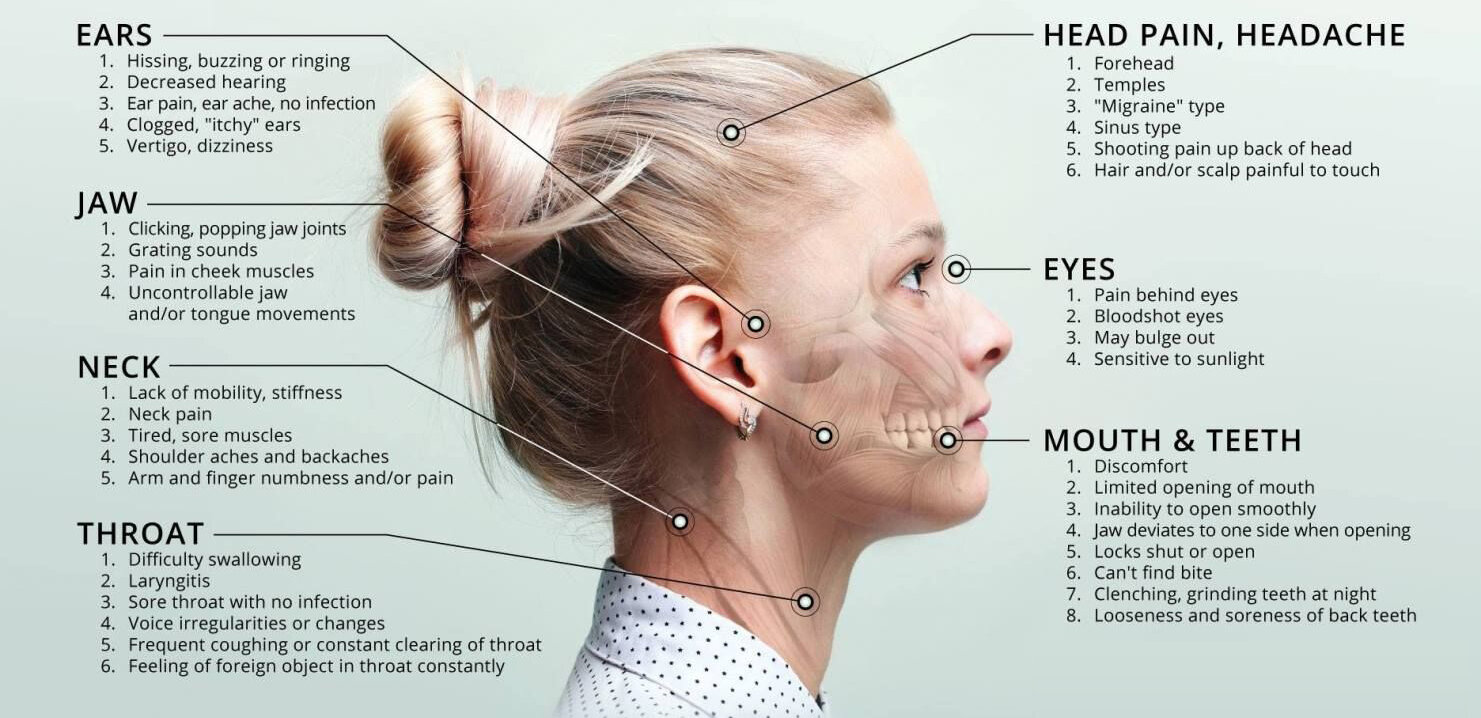
An open-mouth resting posture, mouth breathing, snoring, restless sleep or difficulty with chewing can be signs of altered orofacial function and may be worth assessing.
Early intervention can provide an opportunity to identify functional patterns and introduce healthy habits while children are young. Our Mini-Myo Wellness Program is designed specifically for younger children and focuses on making these activities engaging, simple and achievable for both children and parents.
MINI-MYO THERAPY PROGRAM
Our Mini-Myo Therapy Program is designed for children ages 4–7 who may benefit from age-appropriate myofunctional activities focused on:
Nasal breathing
Lip seal and oral rest posture
Tongue resting posture
Oral awareness and muscle coordination
Developing healthy chewing and swallowing habits
The activities are designed to be fun and interactive, allowing parents and children to participate together and reinforce healthy habits at home.
Establishing healthy oral and breathing patterns during early childhood may help support efficient orofacial function as a child grows and develops.
Average program duration: approximately 5 months



Oral Habits & Early Orofacial Development
Thumb and finger sucking are normal developmental behaviours that can begin during infancy, and many children naturally reduce or stop these habits as they grow.
When oral habits continue for an extended period, however, they may influence oral posture and function.
Depending on the habit and the individual child, prolonged thumb or finger sucking, pacifier use and other repetitive oral habits may contribute to changes in tongue posture, dental position, oral muscle patterns and the development of chewing, swallowing and breathing habits.
Other behaviours we may consider during an assessment include:
Thumb or finger sucking
Prolonged pacifier use
Frequent use of sippy cups
Hands frequently in the mouth
Nail biting
Lip licking or other repetitive oral habits
We also look at the child's overall oral function. Does your child have difficulty with certain tastes or textures? Are they a particularly selective or picky eater? Do they snore, mouth breathe or have restless sleep? Do they frequently wake tired or seem unusually fatigued or irritable during the day?
These concerns can have many possible contributing factors. During a comprehensive OMT assessment, we look at the child's breathing, oral rest posture, tongue function, chewing, swallowing and other orofacial patterns to determine whether additional support may be appropriate.
Our goal is not simply to eliminate a habit—it is to understand what function the habit may be serving and whether underlying functional patterns also need to be addressed.
Mini Myo & Habit Elimination



How Can Myofunctional Therapy Help?
Our Habit Breaker Program is designed to help children reduce and eliminate persistent oral habits such as thumb or finger sucking, pacifier use, nail biting and lip licking in a positive, supportive and interactive environment.
Rather than using punitive approaches or habit appliances, we work with children and parents to build awareness, motivation and confidence while developing strategies to change the habit.
HABIT BREAKER PROGRAM
The Habit Breaker Program is available for children ages 4 and up who have a persistent oral habit that may need to be addressed before beginning a more comprehensive Myofunctional Therapy Program.
Breaking the habit is an important first step. Once the habit has been addressed, an assessment can help determine whether additional Orofacial Myofunctional Therapy would be beneficial to support oral rest posture, tongue function, breathing, chewing and swallowing.
Every child is different, and the recommended approach will depend on the child's individual needs and functional patterns.

