
Jaw Pain / TMD’s Headaches
Jaw Pain & Headaches
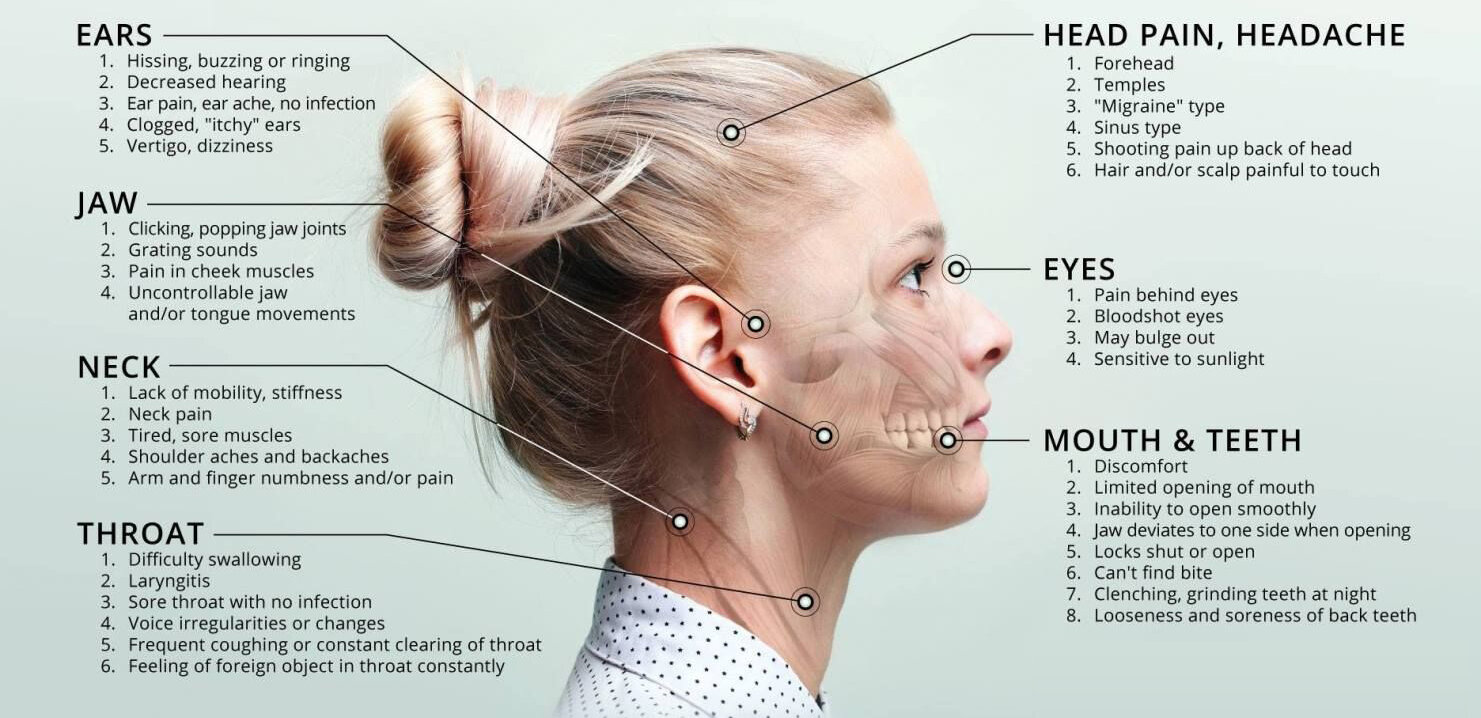
Jaw pain, facial tension and headaches can be frustrating, particularly when symptoms keep returning or the underlying cause is unclear.
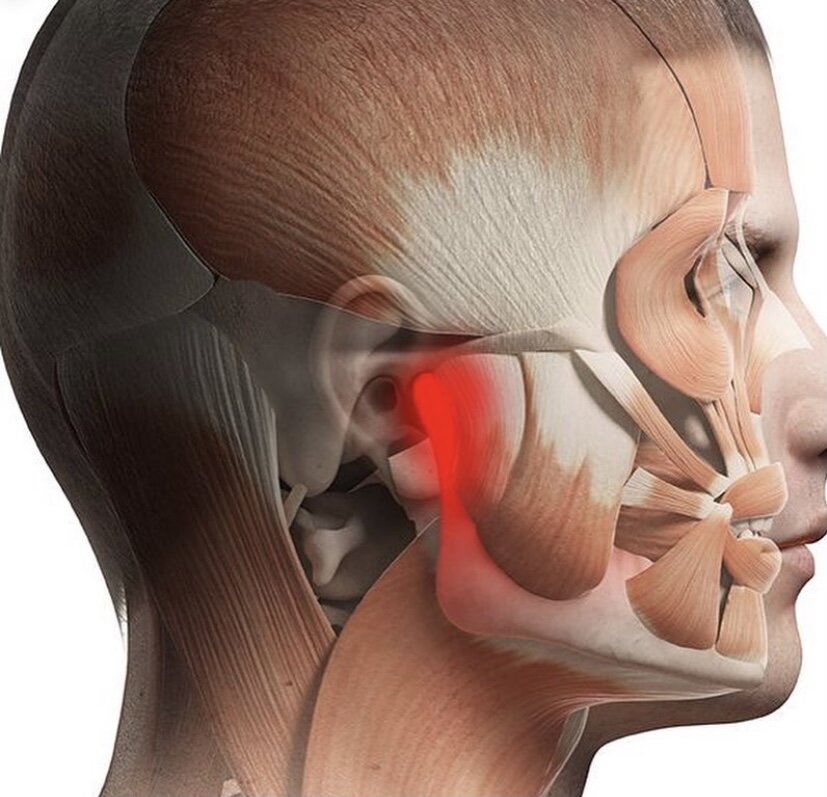
The temporomandibular joints (TMJs), jaw muscles, teeth, tongue, neck and surrounding structures all contribute to how the jaw functions. Because these systems work together, jaw symptoms can have many different contributing factors.
Pain may be experienced around the jaw, temples, forehead, cheeks or ears, and symptoms may include muscle tension, headaches, clenching, grinding, clicking or difficulty opening the mouth.
How Can Orofacial Myofunctional Therapy Help?
The tongue, jaw, lips and surrounding muscles work together during resting posture, breathing, chewing and swallowing. When these systems are not coordinating efficiently, some individuals may develop compensatory muscle patterns that contribute to jaw tension or discomfort.
Orofacial Myofunctional Therapy focuses on improving awareness, coordination and functional patterns of the tongue and orofacial muscles. Depending on the individual, therapy may include work on oral rest posture, tongue mobility, chewing, swallowing, breathing patterns and muscle coordination.
When these factors are contributing to jaw symptoms, addressing the underlying functional pattern may help reduce strain and improve jaw function.


Case: Jaw Pain & Orofacial Myofunctional Therapy
Initial Concerns: Chronic TMJ/TMD pain, facial pain, headaches, lip and tongue restrictions, open bite, tongue thrust pattern and concerns with jaw stability.
This client completed approximately eight months of therapy through our Enhanced Myofunctional Therapy Wellness Program.
At the time of final reassessment, the client reported significant improvement in chronic TMJ/TMD and facial pain, with headaches no longer being reported. Neck and shoulder tension had also improved, along with sleep quality.
Clinically, we observed improvements in tongue posture, tongue function, chewing and swallowing patterns and jaw stability. The client's tongue thrust pattern had also improved significantly, and the open bite showed notable improvement during the course of therapy.
The changes observed in this case reflect the individual's response to a comprehensive, individualized therapy program. OMT is not intended to be a treatment for every cause of jaw pain or orthodontic concern, and outcomes will vary from person to person.
Every client is different.
At Back To Your Roots, we look beyond the presenting symptom to understand the functional patterns that may be contributing to a client's concerns and determine whether Orofacial Myofunctional Therapy is appropriate.
When Should You Consider an OMT Evaluation?
An OMT evaluation may be appropriate when jaw pain or headaches occur alongside concerns such as clenching or grinding, altered tongue posture, mouth breathing, chewing or swallowing difficulties, facial muscle tension or other orofacial functional patterns.
OMT is not appropriate for every cause of jaw pain. If symptoms require medical, dental or other healthcare assessment, we work collaboratively with the appropriate professionals to help ensure the underlying concern is properly evaluated.

How Can Myofunctional Therapy Help With Jaw Pain?
Orofacial Myofunctional Therapy is a non-invasive approach that may be helpful when jaw pain or headaches are associated with altered tongue posture, orofacial muscle dysfunction or other functional patterns.
Therapy focuses on improving oral rest posture, tongue function, muscle coordination and functional patterns such as chewing and swallowing. By addressing contributing patterns when they are present, OMT may help reduce muscle strain and support more efficient jaw function.
As Orofacial Myofunctional Therapists, we recognize that TMJ and TMD concerns can be multifaceted. OMT is not appropriate for every cause of jaw pain, and some individuals may benefit from assessment or treatment by other healthcare professionals. When appropriate, we work collaboratively with dentists, physicians, physiotherapists and other providers as part of a comprehensive approach to care.
