
Snoring / Sleep Apnea
Obstructive Sleep Apnea
Obstructive Sleep Apnea (OSA) is a sleep-related breathing disorder in which the upper airway repeatedly becomes narrowed or obstructed during sleep. These interruptions in breathing can reduce the quality of sleep and may be associated with symptoms such as loud snoring, gasping or choking during sleep, restless sleep, morning headaches, dry mouth and daytime fatigue.
Breathing, tongue posture, jaw position and the structures surrounding the upper airway can all play a role in airway function. For some individuals, an open-mouth posture, mouth breathing or altered tongue posture may be part of a broader pattern that contributes to airway concerns.
However, snoring and sleep-disordered breathing have many possible contributing factors. An open mouth or low tongue posture should not automatically be considered the cause of sleep apnea.
Recognizing the Signs of Sleep-Disordered Breathing
As Orofacial Myofunctional Therapists, we do not diagnose obstructive sleep apnea. We can, however, recognize orofacial and functional signs that may warrant further investigation and recommend appropriate medical follow-up when concerns are identified.
If sleep apnea is suspected, a medical assessment and appropriate sleep testing are important to establish a diagnosis and determine the severity of the condition. A sleep study may provide information such as the Apnea-Hypopnea Index (AHI), which can help the medical team determine an appropriate treatment approach.

Adults & Sleep Apnea
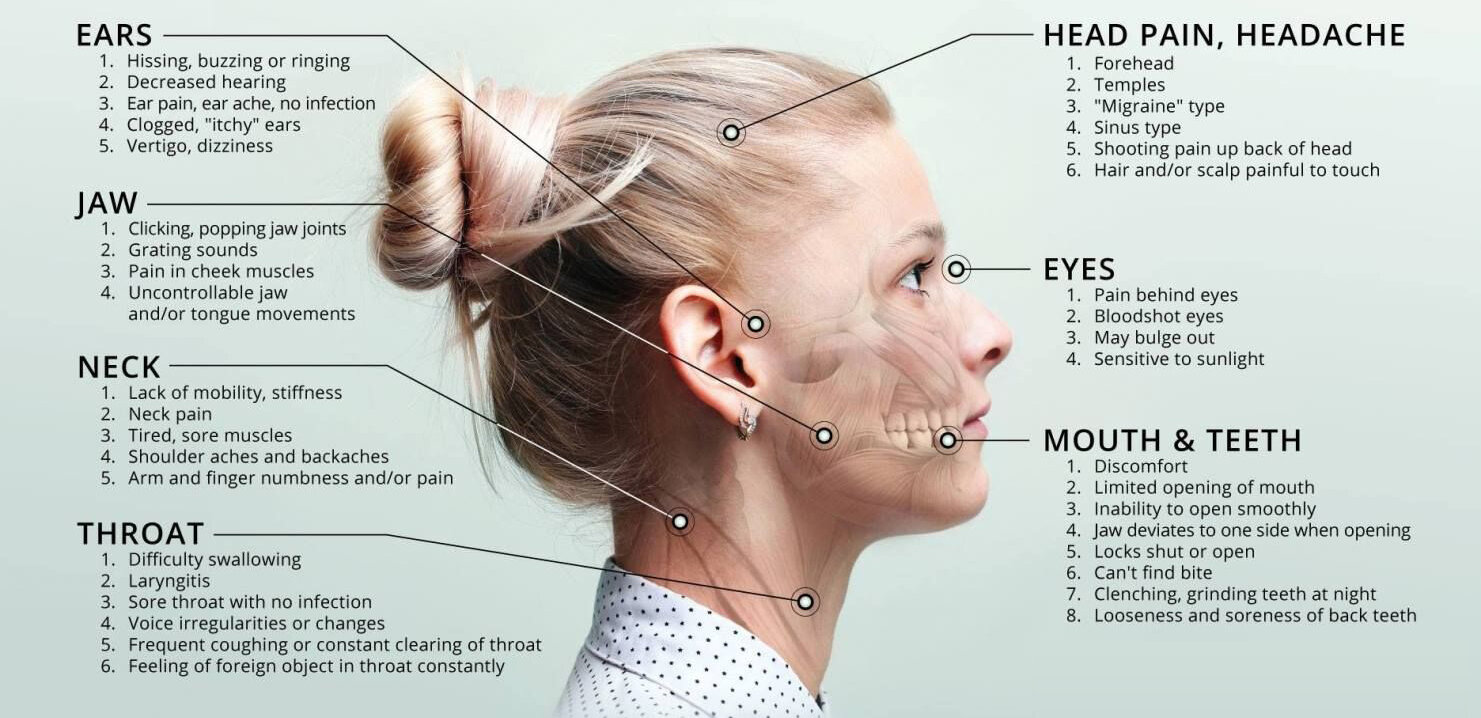
Snoring, chronic mouth breathing and restless sleep can be signs of sleep-disordered breathing and may warrant further investigation. Other symptoms can include daytime fatigue, morning headaches, difficulty concentrating, mood changes, dry mouth and waking frequently during the night.
Warning Signs of Obstructive Sleep Apnea
Loud or persistent snoring
Choking, gasping or snorting during sleep
Pauses in breathing observed by a bed partner
Chronic mouth breathing or dry mouth during sleep
Restless or disrupted sleep
Morning headaches
Daytime fatigue or excessive sleepiness
Difficulty concentrating or "brain fog"
Mood changes or irritability
Frequent nighttime urination
Teeth clenching or grinding
If you experience several of these symptoms, it is important to discuss them with your physician or another appropriate healthcare provider. A sleep assessment may be recommended to determine whether sleep apnea or another sleep-related breathing disorder is present.
Can Myofunctional Therapy Help?
Orofacial Myofunctional Therapy may be considered as part of a comprehensive approach for some individuals with sleep-disordered breathing or obstructive sleep apnea. Therapy may focus on nasal breathing, lip seal, tongue posture, tongue and orofacial muscle function and other functional patterns.
Research suggests that orofacial myofunctional therapy may improve certain sleep-related outcomes in selected individuals. However, results vary, and OMT should not be considered a replacement for medical diagnosis or prescribed treatment for obstructive sleep apnea.
For individuals using CPAP or other treatments, OMT may be considered as a complementary approach when appropriate and in collaboration with the healthcare professionals involved in their care.
Recognizing the signs of sleep-disordered breathing is an important first step toward appropriate assessment and treatment.

What Causes Obstructive Sleep Apnea
Published Oct 27, 2016
Children & Sleep-Disordered Breathing
Sleep-disordered breathing can affect children in different ways, and the signs are not always the same as those seen in adults. Snoring or chronic mouth breathing during sleep can be important signs to investigate, particularly when they occur alongside restless or disrupted sleep.
Possible Signs of Sleep-Disordered Breathing in Children
Frequent or loud snoring
Mouth breathing during sleep
Restless or disrupted sleep
Gasping, choking or pauses in breathing during sleep
Teeth clenching or grinding
Sleep walking or unusual nighttime behaviours
Bedwetting, particularly when it is persistent or occurs alongside other sleep concerns
Difficulty waking or daytime fatigue
Changes in attention, concentration or behaviour
Irritability or mood changes
Concerns with growth or development

These signs can have many possible causes and do not necessarily indicate obstructive sleep apnea. If your child regularly snores, mouth breathes during sleep or shows signs of disrupted breathing, it is important to discuss these concerns with your child's physician or other appropriate healthcare provider.
An appropriate medical or sleep assessment can help determine whether further investigation or a sleep study is needed.
Where Can Myofunctional Therapy Fit?
When appropriate, Orofacial Myofunctional Therapy may be incorporated into a child's broader care plan to address functional patterns such as nasal breathing, lip seal, tongue posture and orofacial muscle coordination.
OMT does not replace medical assessment or treatment for sleep apnea. We work collaboratively with the child's healthcare team when sleep-disordered breathing is suspected or diagnosed.
Sleep, Breathing & Orofacial Function
Children with sleep-disordered breathing may experience changes in attention, behaviour, mood and daytime functioning. Some children may present with symptoms that overlap with attention-related or behavioural concerns, which is one reason that disrupted sleep should be considered when these concerns are present.
Nasal breathing is an important component of healthy upper-airway function during sleep. However, sleep-disordered breathing can have multiple contributing factors, and nasal breathing difficulties should be appropriately evaluated rather than assumed to have a single cause.
What Does the Research Say About Tongue-Tie & Sleep?
Research has explored the potential relationship between restricted tongue mobility, tongue posture and sleep-disordered breathing in children. One study published in 2015 examined the relationship between a short lingual frenulum and obstructive sleep apnea in children.
While research in this area is developing, a single study does not establish that tongue-tie causes sleep apnea. More research is needed to understand how tongue mobility, oral posture, craniofacial development and other airway factors may interact in children with sleep-disordered breathing.
If your child has a tongue restriction along with snoring, mouth breathing, restless sleep or other concerns about nighttime breathing, these symptoms may warrant further assessment. A healthcare professional can determine whether a sleep evaluation or other investigation is appropriate.
At Back To Your Roots, we can assess relevant orofacial functional patterns and collaborate with your child's healthcare team when concerns about sleep-disordered breathing are identified.
