
Mouth Breathing

Mouth Breathing
Mouth breathing occurs when a person breathes through the mouth rather than primarily through the nose. An open-mouth resting posture is often associated with mouth breathing, but the two are not always synonymous.
Persistent mouth breathing may be associated with disrupted sleep, dry mouth, altered oral function and other orofacial concerns. It may also be a sign that an underlying nasal, airway or functional issue should be assessed.
Nasal breathing plays an important role in normal respiratory function. Persistent mouth breathing may develop for a variety of reasons, including nasal obstruction, allergies, enlarged tonsils or adenoids, anatomical differences or learned functional patterns. Identifying the reason for the mouth breathing is an important first step.
During mouth breathing, the resting position of the tongue and other orofacial muscles may adapt to the breathing pattern. In some individuals, the tongue may rest lower in the mouth, while the jaw, lips, head and neck may develop compensatory patterns to help maintain breathing.
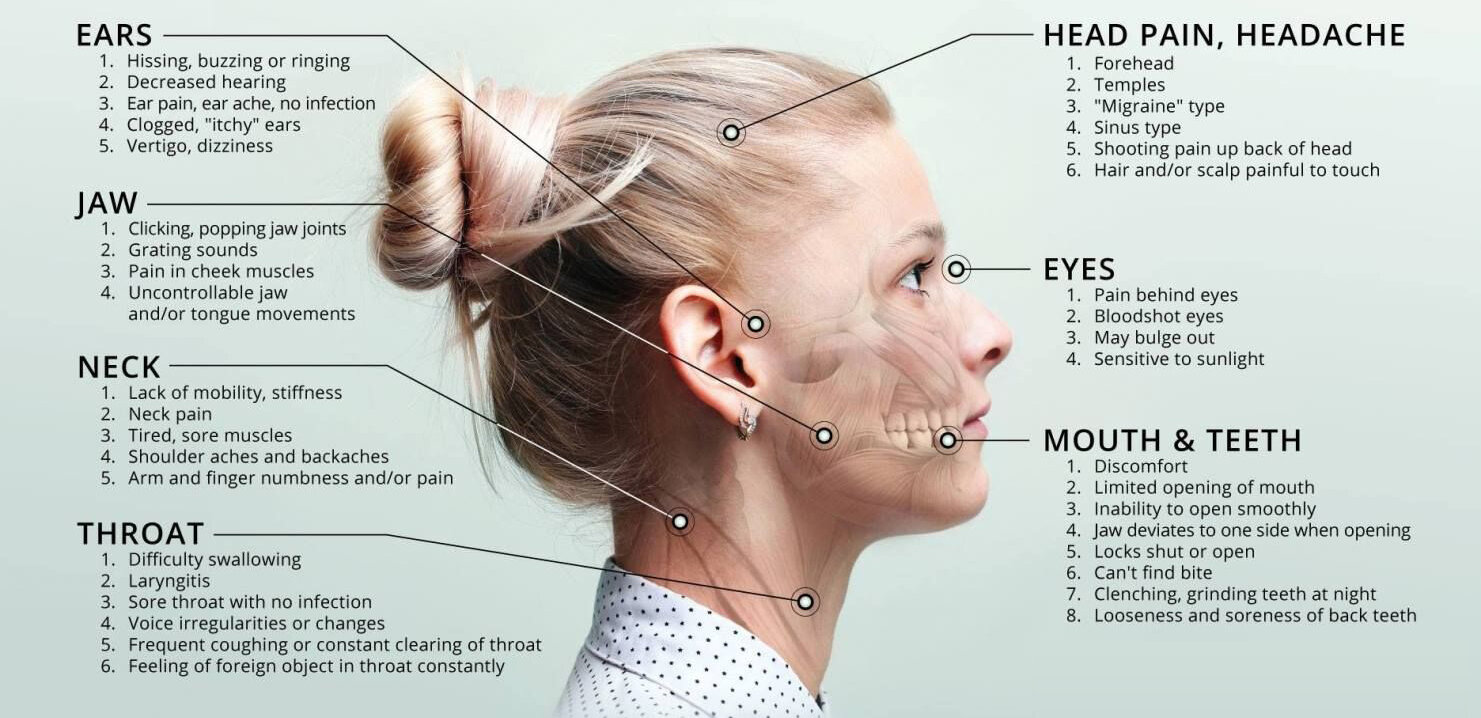
These compensations may be associated with neck and jaw muscle tension, altered oral posture, clenching or grinding and other functional concerns.
Mouth breathing can be completely normal in certain situations, such as during vigorous exercise or while speaking. The concern is persistent or habitual mouth breathing, particularly during rest or sleep.
What Causes Mouth Breathing?
Mouth breathing can have many contributing factors. Some people develop mouth breathing because nasal breathing is difficult, while others develop a habitual breathing pattern over time.
Nasal or Airway Factors
Allergies
Chronic nasal congestion
Enlarged tonsils and/or adenoids
Deviated septum
Nasal polyps
Respiratory infections
Functional Factors
Altered oral rest posture
Low or altered tongue posture
Tethered oral tissues when they affect function
Learned or habitual mouth breathing patterns
These factors may make nasal breathing more difficult and can contribute to the development or persistence of mouth breathing. Determining why someone is mouth breathing is an important part of choosing the appropriate next step.


Mouth Breathing in Children
Published: Oct 4, 2017

What Happens When You Mouth Breathe?
Ideally, the tongue rests gently against the palate when the mouth is at rest. When a person habitually mouth breathes, the lips may remain apart and the tongue may adopt a lower resting posture to accommodate the breathing pattern.
An altered tongue resting posture can affect how the tongue, lips, jaw and surrounding muscles work together. Over time, these functional patterns may be associated with changes in swallowing, chewing, speech-related oral function and orofacial development.
When the tongue does not maintain an appropriate resting position, it may also use compensatory movements during swallowing, such as moving forward or sideways. This can contribute to an atypical swallowing pattern, commonly referred to as a tongue thrust.
Mouth breathing and tongue thrust are often seen together, although one does not necessarily cause the other. Both may have multiple contributing factors, which is why understanding the underlying cause is important.
If you or your child habitually mouth breathes, an assessment can help determine whether an altered tongue posture or swallowing pattern is also present.
How does this effect our body?
How Can Mouth Breathing Affect Oral & Overall Health?
This is where our "Back To Your Roots" approach comes in. Rather than looking only at an individual symptom, we look deeper to understand the functional patterns and contributing factors that may be associated with persistent mouth breathing.
Habitual mouth breathing can influence the oral environment, resting posture and function of the tongue, lips and jaw. It may also be associated with disrupted sleep and other breathing-related concerns.

Depending on the individual and the underlying factors, mouth breathing may be associated with:
Dry mouth and bad breath
Increased risk of dental decay
Gum inflammation and periodontal concerns
Altered oral rest posture
Changes in chewing and swallowing patterns
Tongue thrust or other atypical swallowing patterns
Snoring and sleep-disordered breathing
Sleep disruption and daytime fatigue
Jaw muscle tension, clenching or grinding
Headaches and facial muscle tension
The effects of mouth breathing can vary considerably from person to person. For this reason, understanding why someone is mouth breathing is just as important as addressing the breathing pattern itself.
At Back To Your Roots, our goal is to look beyond the obvious symptom and understand the underlying functional factors that may be contributing to the pattern. When appropriate, we work collaboratively with dental and healthcare professionals to help determine the most appropriate next step.
